Ten Things You Need To Know About Double Glazed Window Repairs
A Comprehensive Guide to Double Glazed Window Repairs
Double glazed windows are known for their energy performance and insulation homes, offering homeowners convenience while lowering energy expenses. However, like all structures, they can develop issues over time, necessitating repairs. Comprehending typical issues, repair procedures, and the advantages of dealing with these issues without delay is vital for keeping the stability of your home. This post supplies a helpful overview of double glazed window repairs, covering reasons for damage, signs to look out for, DIY repairs versus employing a professional, and upkeep ideas to lengthen the life of your windows.
What Are Double Glazed Windows?
Double glazed windows consist of 2 panes of glass separated by a space filled with inert gas, which improves insulation. This style assists to keep homes warmer in winter season and cooler in summer season, leading to lower energy intake.
Benefits of Double Glazed Windows
- Energy Efficiency: Significant energy cost savings due to lowered heat loss.
- Sound Reduction: Decreases outside noise, supplying a quieter indoor environment.
- Increased Security: Tougher to break than single-glazed windows.
- Condensation Prevention: Reduced possibility of internal condensation, avoiding mold development.
Typical Problems with Double Glazed Windows
Despite their advantages, double glazed windows are not unsusceptible to problems. Here are some common problems that might arise, resulting in prospective repairs:
Problem
Description
Seal Failure
The seal in between the glass panes breaks, triggering condensation.
Scratches or Cracks
Physical damage to the glass, impacting visual appeals and insulation.
Lock or Mechanism Issues
Malfunctioning locks or mechanisms that hinder the window's operation.
Frame Damage
Warping, rotting, or breaking in the window frame, typically due to moisture or poor upkeep.
Water Leaks
Seepage of water due to gaps or damaged seals, affecting insulation and promoting mold growth.
Signs You Need Repairs
House owners need to be watchful about the condition of their double glazed windows. Here are some tell-tale indications that repairs may be required:
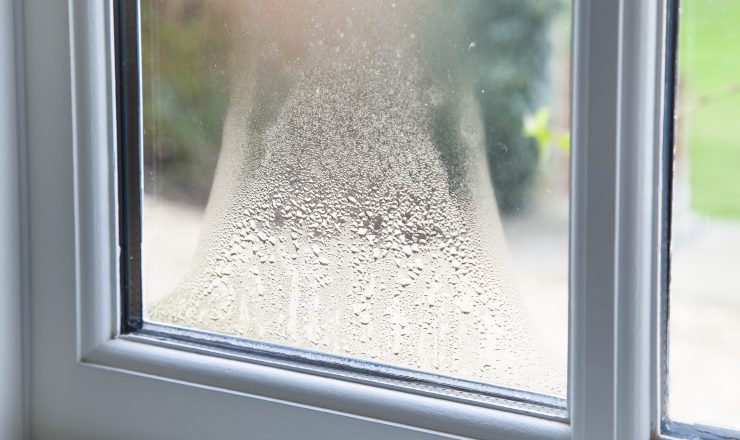
- Condensation Between Panes: Indicates seal failure; moisture caught between glass panes signifies that gas has actually escaped.
- Drafts: Feeling drafts around the window recommends the seal or the frame has been jeopardized.
- Difficulty Opening/Closing: Problems in operating the window might show concerns with the locking mechanism or frame damage.
- Visible Cracks or Chips: Any fractures in the glass can lower insulation and compromise security.
- Moisture in the Frame: Signs of dampness or rot in wooden frames suggest extended exposure to moisture.
Do It Yourself Repairs versus Hiring Professionals
When it concerns repairing double glazed windows, house owners may question whether to deal with the job themselves or hire a professional. Here are considerations for both choices:
DIY Repairs
Pros:
- Cost-effective; minimizes labor expenses.
- Versatility in setting up the work.
- Sense of achievement from finishing the task.
Cons:
- Requires some level of skill and knowledge.
- Threats of incorrect installation; mistakes might result in more damage.
- Restricted access to specialized tools and products.
Employing Professionals
Pros:
- Expertise ensures premium repairs.
- Access to industry-grade tools and materials.
- Less tension and time dedication for property owners.
Cons:
- Higher cost due to labor charges.
- Scheduling might not be as versatile as DIY.
Summary Table: Homeowner Options for Repairs
Choice
Pros
Cons
Do it yourself Repairs
Save cash, control schedule
Skills required, risk of errors
Hire Professional
Competence, quality control
Greater cost, less scheduling versatility
Actions to Repair Double Glazed Windows
If a property owner picks to carry out repairs themselves— or if they want to understand the process much better— the following actions lay out a general technique to repairing common issues with double glazed windows:
Assess the Damage:
- Identify the specific problem: Is it seal failure, physical damage, or frame-related?
Collect Necessary Tools and Materials:
- Required tools: Safety gloves, a putty knife, a sealant or epoxy, brand-new glass panes, and a screwdriver.
- Products depend on the specific type of repair required.
Remove the Damaged Part:
- For seal failure, thoroughly remove the window from its frame.
- If replacing the glass, remove any broken panes carefully.
Set Up the New Component:
- Apply brand-new sealant when re-installing the window or glass.
- Guarantee everything is sealed properly to avoid future drafts or leaks.
Evaluate the Repair:
- Once the window is changed and sealed, test it by opening and closing and inspecting for drafts.
Clean Up:
- Dispose of any debris and tidy the location around the window.
FAQs About Double Glazed Window Repairs
1. How long do double glazed windows last?
A lot of double glazed windows can last between 20 to 35 years, depending on quality, upkeep, and environment aspects.
2. Can I repair double glazed windows myself?
Yes, minor repairs can be done by homeowners but consider hiring a professional for intricate issues to avoid prospective damage.
3. What triggers the seal on double glazing to fail?
Aspects consist of stress from temperature changes, poor installation, and wear and tear gradually.
4. How can Double Glazing Specialists keep double glazed windows?
Routine cleaning, yearly assessments for drafts and seal integrity, and maintenance of frames (specifically wood ones) can extend the life of your windows.
5. Is condensation in between double glazed windows covered by insurance coverage?
Examine your policy, as some homeowners' insurance strategies may cover damage due to seal failure, while others might not.
Double glazed windows offer significant benefits, but they require maintenance and occasional repairs. By comprehending typical problems and repair methods, homeowners can make educated decisions concerning their window care. Whether choosing for DIY repairs or selecting to hire specialists, promptly attending to problems can ensure that double glazed windows continue to serve their energy-efficient function for years to come. Correct maintenance, combined with caution for any signs of damage, will help protect this important financial investment in a home's convenience and performance.